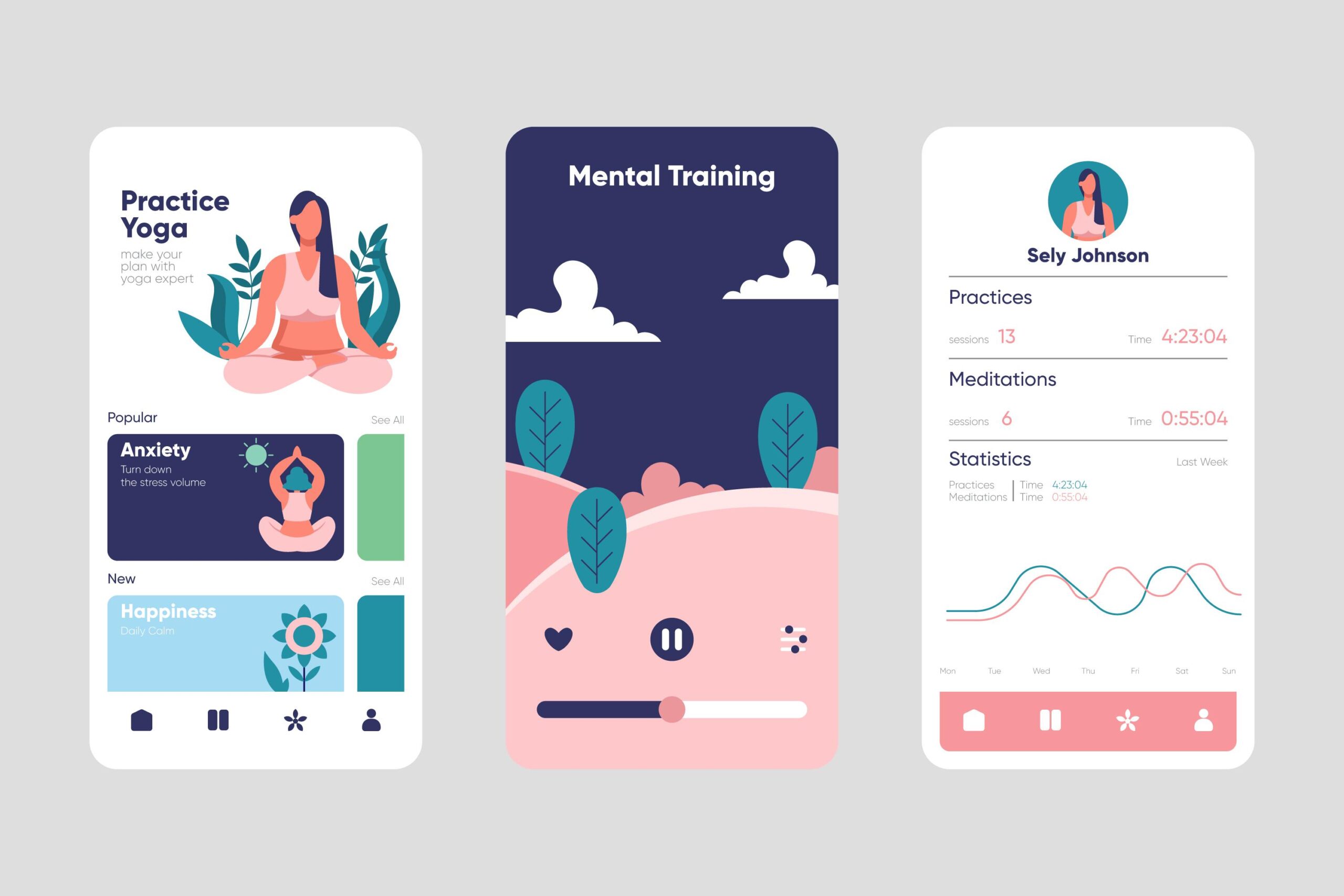
Revolutionizing Mental Health with Innovative Apps
More recently, the health of the mind has become the focus as a key consideration for health and the community. As people continue to seek treatment for mental ailments and seek to break the stigma around mental illnesses, the market has opened wide for new solutions. There is a solution that has recently risen to the challenge, and that is mental health app development. These apps are revolutionizing how people get help for their mental health by making it readily available, tailored, and helpful.
The Growing Need for Mental Health Apps
Increased cases of anxiety, depression, and burnout are characteristic of a fast and stressful lifestyle characteristic of the contemporary world. Therapists and counselors who provide traditional services are limited by factors such as cost, accessibility, location, and cultural perception of mental health. The free mental health applications offer users a tool and information within their reach, always and everywhere.
Several studies have opined that the mental health app market of the world is slated to grow further in the future. It is attributed to the increased use of Smartphones, the rising incidence of mental health disorders, and the enhanced complementary of people to seek help online.
Key Features of a Successful Mental Health App
To address the need for competition to stand out in the mental health app market, new apps must contain features directed at various customers. Here are some essential features to consider:
1. User-Friendly Interface
The layout is clear and uncluttered, so the application can be operated by people of all ages and those not especially familiar with technology.
2. Personalized Experiences
With the help of AI, users’ actions and preferences can be considered when recommending exercises or content.
3. Self-Assessment Tools
Cognitive self-remediation is achieved using interactive quizzes and assessments to determine status and progress with time.
4. Guided Meditations and Relaxation Techniques
Stress and anxiety are best addressed through mindfulness exercises, breathing techniques, as well as guided meditation.
5. Professional Support
Some apps let consumers find licensed therapists and counselors via the app and talk with them using chat or video call, combining tech and conventional therapy.
6. Community Support
Many people find the communal aspects of the forums or the support groups very healing.
7. Integration with Wearables
In the most complex manner, apps can link with wearable devices that track other elements of physical well-being, such as heart rates, sleep, and physical activity.
The Role of Technology in Mental Health App Development
In this article, the most crucial factor is the impact of technology on extending the capabilities and the range of mental health apps. Here are some technological advancements driving innovation:
- Artificial Intelligence (AI): AI averts delays in answering questions, mimics human interaction, and offers solutions based on heeds of medical knowledge.
- Big Data Analytics: In modern apps, user information is gathered to identify user patterns and provide suggestions to improve the applications’ richness.
- Cloud Computing: Data safety and convenience to clients also make the cloud the pillar technology for mental health applications.
- Gamification: Introducing features like a rewarding and challenging system helps keep the user constantly interacting with the app.
Challenges in Mental Health App Development
While the potential of mental health apps is immense, developers face several challenges:
1. Data Privacy and Security
Dealing with personal user data should be secure with encryption and should follow privacy acts such as HIPAA or GDPR.
2. Evidence-Based Content
Closer attention should be paid to content and its provenance to give it credibility and ensure the effectiveness of an application.
3. User Retention
Simple design, relevant content, and updates keep users interested in the window for an extended period.
4. Accessibility
Applications should be supported and usable by users of different categories, such as those with disabled or weak Internet connections.
The Intersection of Mental Health and Other Digital Solutions
Mental health applications include co-located real-world products and services that comprise a connected suite of tech solutions. For example, mental health apps that can interact with EHR software development ensure the sharing of relevant information between patient and provider. In the same way, new applications have been developed that focus on the users’ mental and physical well-being as a single package.
The Future of Mental Health App Development
The future of developing mental health apps has no limit; a thousand ways can be created. Here are some trends to watch:
- Virtual Reality (VR): An application case from VR is that it can be used in exposure therapy, relaxation training, and skills practice.
- Machine Learning: Intelligent systems can also make suggestions and offer help when the patient is about to have a meltdown.
- Cultural Sensitivity: The specialized applications designed for all people’s cultural and linguistic requirements also help overcome the issues involved in accessing and utilizing mental health care.
- Collaboration with Healthcare Systems: There are many ways to benefit from cooperation with healthcare providers, such as increasing the credibility of and audience for mental health apps.
Conclusion
It is more than creating an application to help society’s mental health since it is a social cause in most cases. The discussion above made the following points: Employing advanced technology, Meeting user’s needs, and Emphasizing privacy and inclusion. Developers need to make a difference by having their applications count. The recent popularisation of digital health solutions means that mental health-related applications will be significantly more critical in an individual’s coping mechanisms.
There are fantastic fields to which one can contribute as a developer, a healthcare provider, or an enthusiast associated with the mental health sector. Together, we can use technology to make the world healthier and happier.