
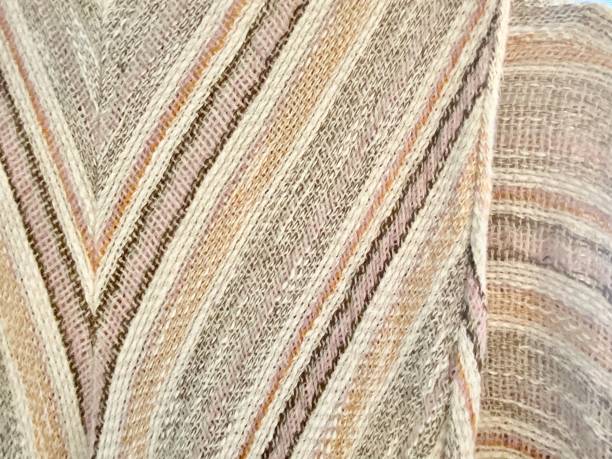
Modal fabric is a popular textile known for its softness, durability, and versatility. Whether used for clothing, bedding, or other home textiles, it has become a go-to option for consumers seeking comfort and quality. But what exactly is modal fabric? In this article, we’ll explore its origins, characteristics, benefits, and the environmental considerations associated with this material.
What is Modal Fabric?
Modal is a type of rayon, a semi-synthetic fiber made from wood pulp, specifically from beech trees. It was first developed in the 1950s by the Austrian company Lenzing AG, and since then, it has grown in popularity due to its luxurious feel and eco-friendly qualities.
The process of creating modal involves dissolving wood pulp in a chemical solution to create a fiber, which is then spun into yarn and woven into fabric. This gives modal its smooth texture and high moisture-wicking properties, making it a breathable and comfortable fabric for both clothing and home textiles.
Characteristics of Modal Fabric
Modal has several distinct characteristics that make it a desirable material for many different applications:
- Softness and Comfort: One of the most well-known features of modal is its ultra-soft texture. Compared to cotton, modal is often described as even softer, which makes it a popular choice for clothing items such as pajamas, loungewear, and undergarments.
- Durability: Despite its delicate feel, modal fabric is strong and resistant to shrinkage, fading, and pilling. It retains its shape and appearance even after multiple washes, making it an ideal fabric for long-lasting clothing.
- Breathability and Moisture-Wicking: Modal is highly breathable and absorbs moisture efficiently, which is why it’s often used in athletic wear and bedding. This moisture-wicking property helps keep the wearer dry and comfortable.
- Sustainability: Modal is often considered a more sustainable option compared to other textiles. It is made from renewable resources (wood pulp from beech trees), and some manufacturers use eco-friendly processes to produce modal, reducing the environmental impact.
- Smooth Finish and Lustrous Appearance: The fabric has a smooth finish and a subtle sheen, giving it a luxurious appearance. This makes modal a popular choice for high-quality garments and home goods, such as bed sheets and towels.
Benefits of Modal Fabric
- Eco-Friendly Production: As mentioned earlier, modal is derived from beech trees, which grow in sustainable forests. Additionally, some modal manufacturers have adopted closed-loop production systems, where the chemicals used to process the wood pulp are recycled, minimizing waste and pollution.
- Comfort and Softness: Modal offers a level of softness comparable to silk or cotton, providing ultimate comfort for the wearer. Its smooth texture is gentle on the skin, making it an excellent choice for sensitive skin types.
- Easy Care: Modal is easy to care for and can be machine-washed without the risk of significant shrinkage or distortion. Unlike some other fabrics, modal retains its shape and color even after repeated washing.
- Versatility: Modal can be blended with other fibers, such as cotton, spandex, or polyester, to enhance its properties. This allows manufacturers to create fabrics with a variety of qualities, from stretch and durability to increased softness and warmth.
Modal vs. Other Fabrics: How Does It Compare?
Modal is often compared to other types of fabrics, particularly rayon, cotton, and bamboo. Here’s how modal stacks up against these popular fibers:
- Modal vs. Rayon: Modal is a type of rayon, but it is often considered a superior version due to its enhanced durability and softness. While both fabrics are derived from wood pulp, modal is produced using a different method that makes it stronger and more resistant to shrinkage.
- Modal vs. Cotton: Cotton is a natural fiber known for its breathability and softness. However, modal is often softer and more resistant to wrinkles, shrinkage, and fading compared to cotton. While cotton requires more water to grow and process, modal production tends to be less water-intensive, particularly when produced using sustainable methods.
- Modal vs. Bamboo: Bamboo fabric is another eco-friendly textile that has gained popularity in recent years. While both modal and bamboo are derived from plant-based sources, bamboo fabric often undergoes more intensive chemical processing. Modal, on the other hand, typically involves less chemical treatment, making it a cleaner choice for some consumers. Additionally, modal’s durability and softness often surpass that of bamboo fabrics.
Common Uses of Modal Fabric
Modal fabric is versatile and can be used in a wide variety of products. Some of the most common uses include:
- Clothing: Modal is frequently used in casual wear such as t-shirts, dresses, leggings, and loungewear. Its softness and breathability make it ideal for garments that are worn for long periods.
- Bedding: Modal’s smooth, soft texture is perfect for bedding products like sheets, pillowcases, and duvet covers. The fabric’s moisture-wicking properties also make it great for bed linens, as it keeps you cool and dry while you sleep.
- Underwear and Activewear: Modal is commonly used in the production of comfortable, moisture-wicking undergarments and activewear. Its smooth texture reduces friction, making it ideal for tight-fitting garments like underwear, bras, and yoga pants.
Conclusion
Modal fabric is a luxurious, versatile, and environmentally conscious option for those looking for a fabric that combines softness, durability, and breathability. Its eco-friendly potential, particularly when produced sustainably, makes it a popular choice for a range of applications, from clothing to bedding. Whether you’re looking for comfortable loungewear, high-quality bed linens, or eco-conscious activewear, modal offers a stylish and sustainable solution.
As demand for sustainable fashion grows, modal continues to be a fabric of choice for consumers who value both comfort and environmental responsibility. When shopping for modal products, look for manufacturers that prioritize eco-friendly processes and responsible sourcing to make the most sustainable choice.
